• Degassing Towers for CO₂ Removal in Aquaculture Systems,YUTANK
  • Degassing Towers for CO₂ Removal in Aquaculture Systems,YUTANK
  • Degassing Towers for CO₂ Removal in Aquaculture Systems,YUTANK
  • Degassing Towers for CO₂ Removal in Aquaculture Systems,YUTANK
  • Degassing Towers for CO₂ Removal in Aquaculture Systems,YUTANK
  • Degassing Towers for CO₂ Removal in Aquaculture Systems,YUTANK
  • Degassing Towers for CO₂ Removal in Aquaculture Systems,YUTANK
  • Degassing Towers for CO₂ Removal in Aquaculture Systems,YUTANK

Degassing Towers for CO₂ Removal in Aquaculture Systems

Degassing towers play a critical role in maintaining water quality in closed-loop RAS environments by stripping out dissolved CO₂, which otherwise suppresses oxygen uptake and contributes to pH instability. YUTANK’s degassing units are engineered for intensive aquaculture operations, especially those with high stocking densities or rapid recirculation rates.

We've seen recurring inquiries from clients running overseas hatcheries where elevated CO₂ levels, even as low as 15–20 mg/L, began interfering with fish respiration. In response, our system was deployed across a 5-tank trout farm in Scandinavia, effectively reducing CO₂ to <5 mg/L within 30 minutes of operation — no external chemicals required.

Our designs favor vertical flow columns with high-contact media, supporting continuous off-gassing without sacrificing compactness. All towers are built from anti-corrosive materials and delivered pre-fitted with pipe adaptors tailored to your RAS plumbing specs.

If you're planning to expand or upgrade the degassing capacity of an existing aquaculture line, these units integrate smoothly downstream of protein skimmers or biofilters, without disrupting hydraulic balance.

  • Degassing Towers for CO₂ Removal in Aquaculture Systems,YUTANK
  • Degassing Towers for CO₂ Removal in Aquaculture Systems,YUTANK
  • Degassing Towers for CO₂ Removal in Aquaculture Systems,YUTANK
  • Degassing Towers for CO₂ Removal in Aquaculture Systems,YUTANK

Technical Specifications

Brand Name

Yutank

Place of Product

Guangdong Province,China

Feature

Durable Anti-corrosion

Size (diamater*height)

Customizable

Modes of packing

Wooden crate, cardboard box, container

Customized service

OEM & ODM
  • Description

  • Technical Specificat

  • Applications & Case

  • FAQ

Features

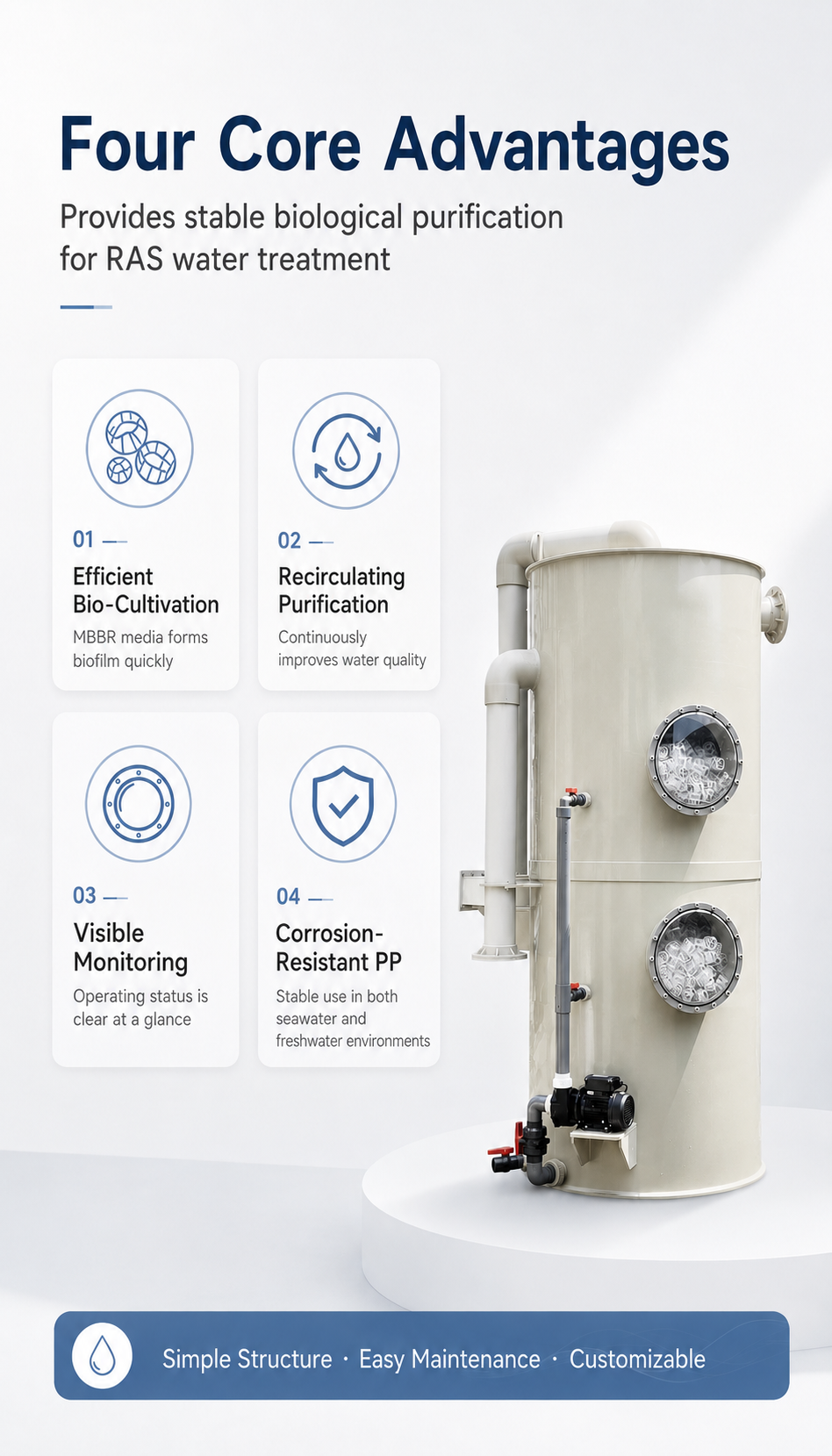
  • High-Efficiency CO₂ Stripping
    Uses structured packing media in vertical column design to maximize gas-liquid contact surface. In real-world trials, CO₂ levels dropped from 18 mg/L to under 5 mg/L in less than 40 minutes on a closed-loop tilapia system.

  • Non-Corrosive, RAS-Compatible Materials
    Tanks are constructed from industrial-grade HDPE or PP, resistant to saltwater exposure and disinfectants. All fittings support integration with both metric and imperial PVC pipe systems.

  • Gravity or Pump-Driven Options
    Configurable based on system layout. Many international clients opt for gravity-feed towers for energy conservation on low-head installations.

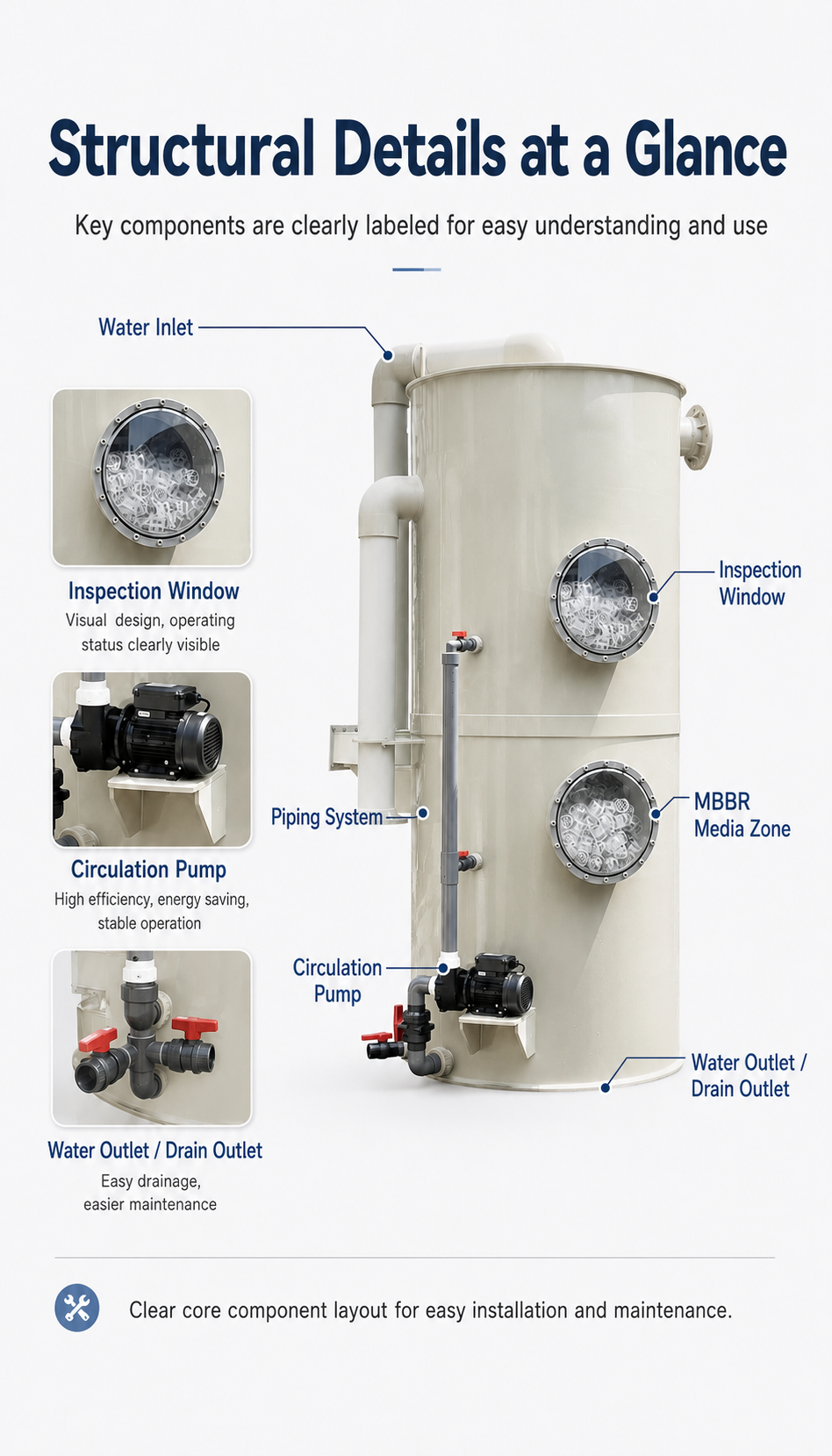
  • Integrated Spray Header & Ventilation Ports
    Every unit includes a pre-mounted spray distribution system for uniform water dispersion and gas exchange, plus vent ports to support forced-air exhaust when needed.

  • Modular Height Extension
    Column height is modular to meet different degassing demands — common ranges span from 1.2m to 2.5m, based on flowrate and CO₂ load.

  • Tool-Free Maintenance Access
    Top section is serviceable without tools, simplifying media cleaning or replacement during scheduled RAS downtime.

  • Proven Performance Across Global Projects
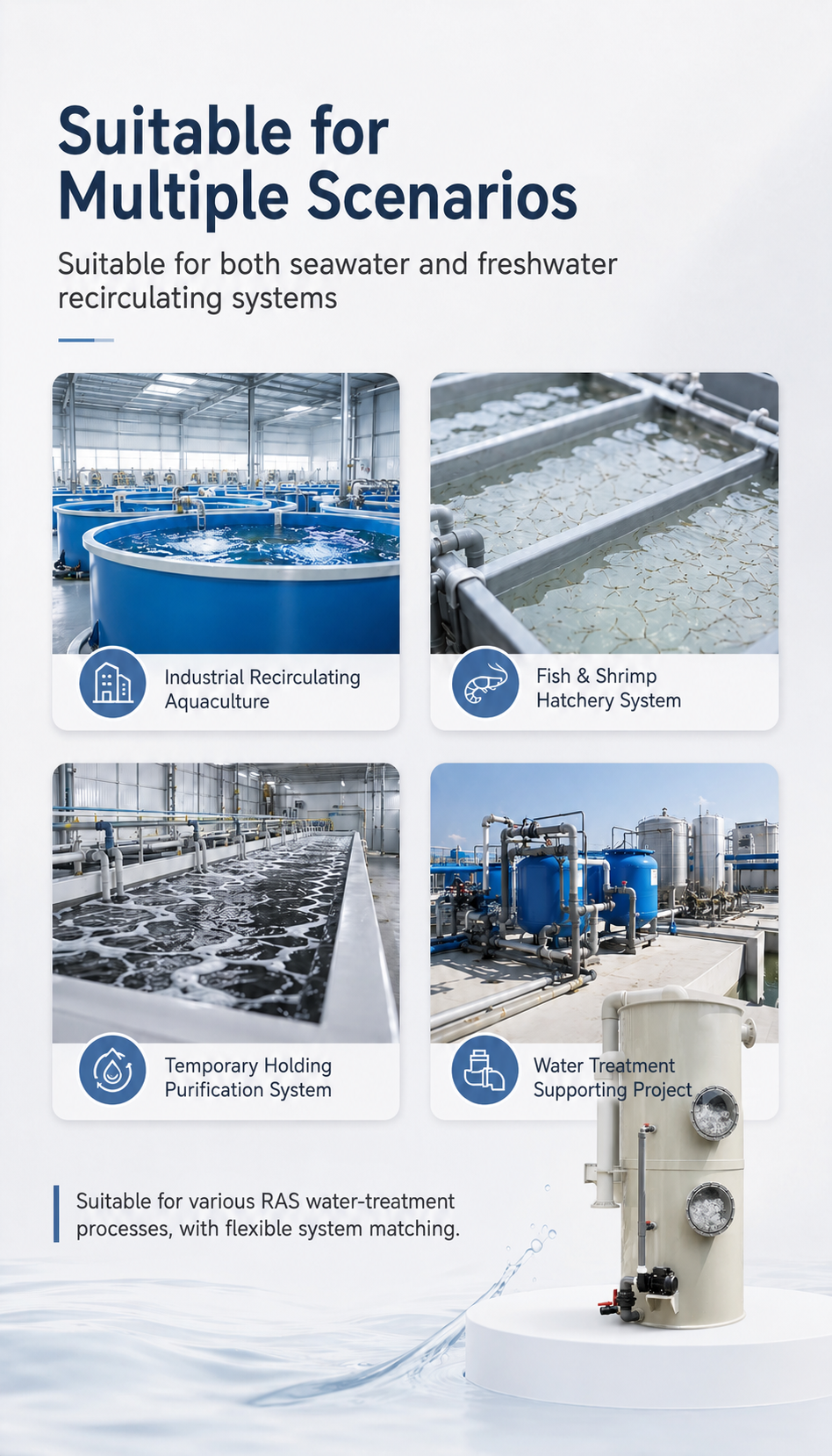
    Installed across marine hatcheries in Southeast Asia, shrimp farms in Latin America, and recirculation farms in Northern Europe, with consistent CO₂ reduction outcomes under various stocking conditions.

Packaging
Each degassing tower is wrapped in PE protective film and supported with internal foam padding. For export shipping, units are secured on fumigation-free plywood pallets or enclosed in steel-framed wooden crates, depending on the container type and destination regulations. All inlets, outlets, and open sections are capped or sealed to prevent dust and transit damage.

Shipping & Logistics
Standard lead time for regular sizes is 12–18 working days. For OEM units or oversized configurations, production may take 20–25 working days. We support both LCL and FCL shipments, and offer FOB, CFR, and DAP terms through major ports in East and Southeast Asia. Pre-shipment inspection photos and dimension drawings are provided before container loading.

Documentation
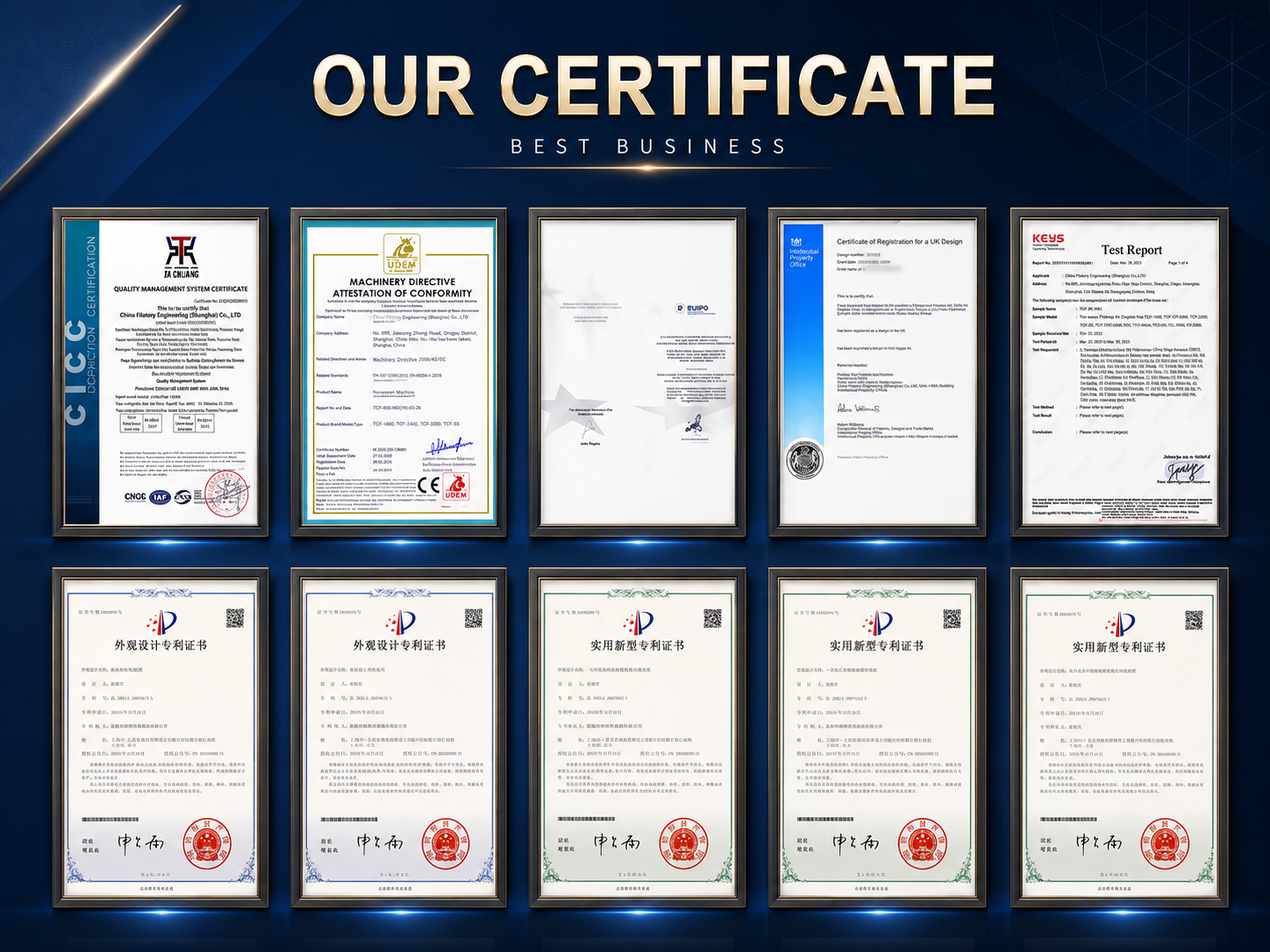
Each shipment includes a commercial invoice, packing list, and product specification sheet. Additional documents such as Certificate of Origin (Form A, E, or FTA-compliant), MSDS, and SGS test reports can be arranged if required by the importing country.

Labeling & Traceability
All tanks are tagged with a laser-etched stainless steel ID plate showing model, flow capacity, and batch code. A digital label (QR code) linking to the operation manual and maintenance guide can be customized upon request.

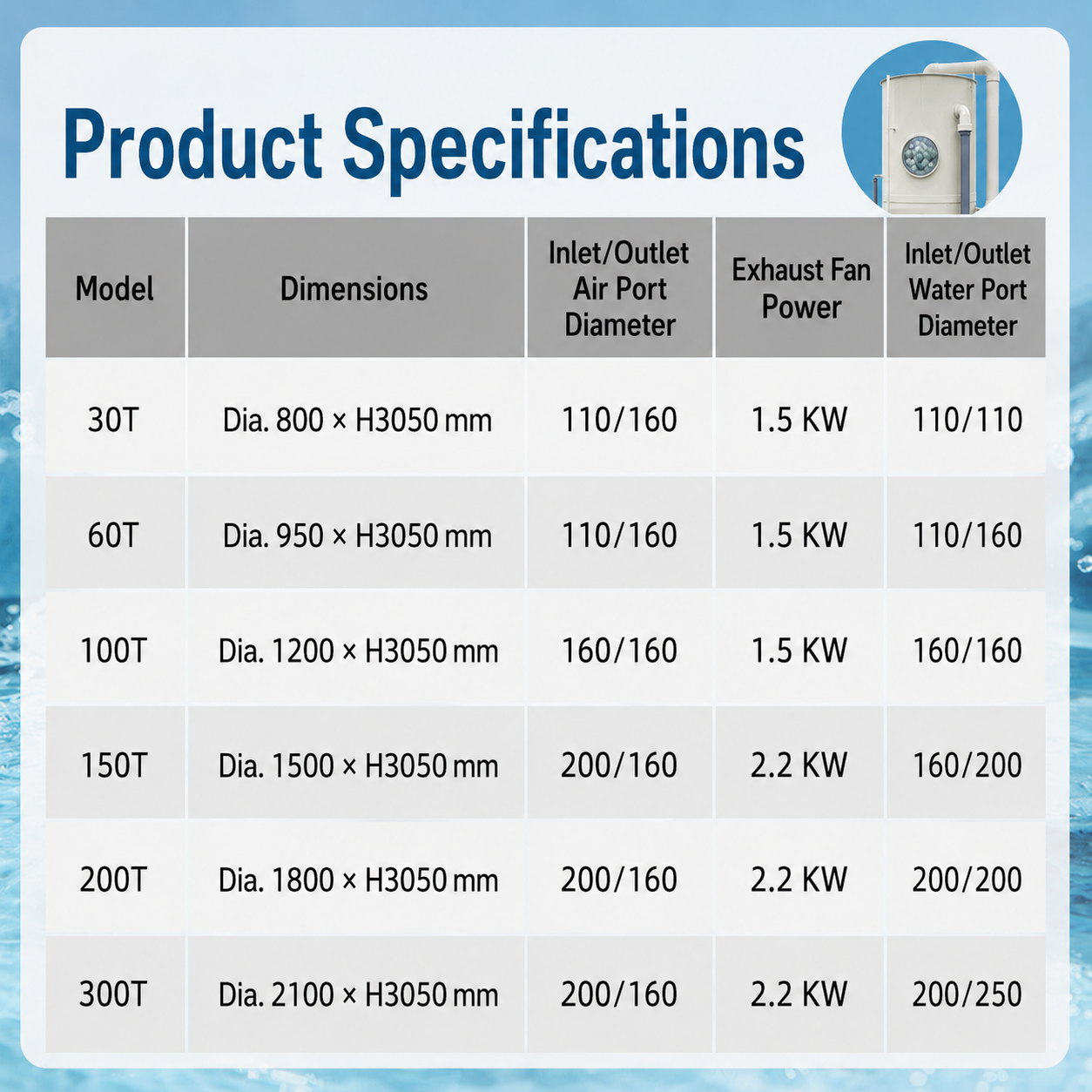
Parameter Details
Available Heights 1.2m / 1.5m / 2.0m / 2.5m (custom height available)
Diameter Options Ø500mm / Ø800mm / Ø1000mm / Ø1200mm
Flowrate Capacity 5–50 m³/h (depending on tower size and packing density)
CO₂ Removal Efficiency Up to 85% per pass (at standard aquaculture CO₂ loads)
Material Construction HDPE / PP column body; PVC inlet/outlet; SS304 fasteners
Media Type Structured polypropylene fill or HDPE corrugated media
Inlet / Outlet Size DN50 / DN80 / DN100 (standard) — others on request
Mounting Floor-mount flange base; anchor bolts optional
Operating Temperature 5°C – 55°C (continuous)
Maintenance Access Tool-free top cover; removable spray header assembly
Customization OEM color, logo engraving, flange spec, media density


Note: The above specifications are based on the YUTANK standard degassing tower series. Specific projects will be designed according to the type of aquaculture water, aeration system configuration, and return water quality. If you need assistance with selection, please provide project parameters (such as circulation volume, target CO₂ concentration, etc.).

FAQ — Degassing Towers for Aquaculture Systems

Q1: How does a degassing tower actually reduce CO₂ in RAS systems?
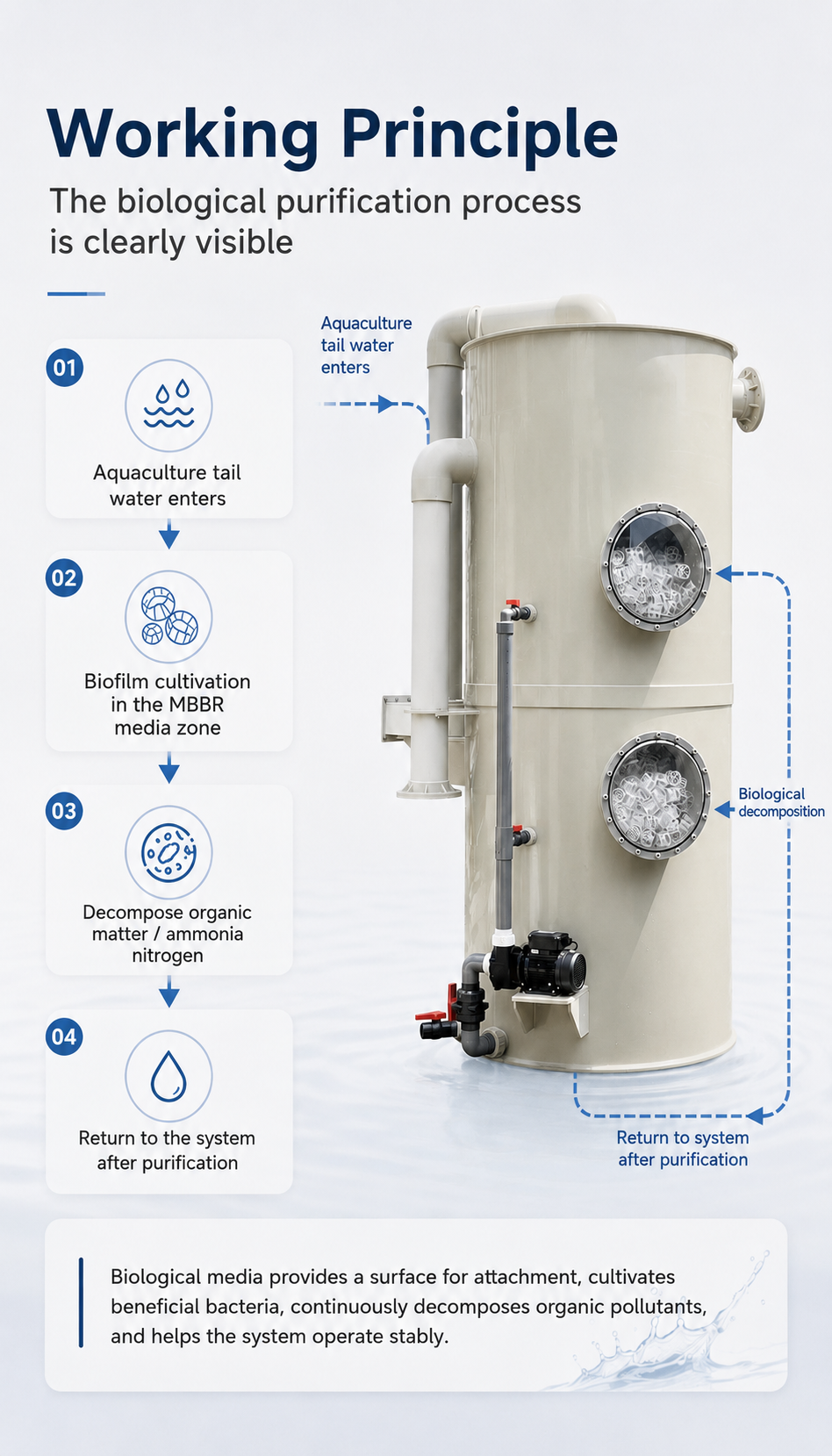
A: Degassing towers force water through a high-surface-area media bed using counter-current airflow. This process facilitates the release of excess CO₂ via gas exchange. In most RAS setups, a properly sized tower can reduce CO₂ levels from 20–25 mg/L to under 10 mg/L before the water enters the oxygenation zone.

Q2: Can these degassing towers be integrated with existing drum filters or oxygen cones?
A: Yes. Our towers are modular and flange-compatible with common RAS equipment. Many clients retrofit them between mechanical filtration (drum or settler) and the biofilter zone. The outlet height and flange diameter can be adjusted to match existing hydraulic layouts.

Q3: What materials are used, and are they safe for saltwater applications?
A: We use marine-grade FRP or food-safe PP depending on client preference. Both are UV-resistant and corrosion-resistant. For saltwater hatcheries or high-salinity shrimp farms, FRP with vinyl ester inner lining is recommended for durability.

Q4: Do I need a separate blower or ventilation system for gas stripping?
A: Typically, yes. For passive systems, natural draft may work for small-scale tanks, but most commercial farms use low-pressure blowers (300–700 Pa) to ensure efficient CO₂ removal and oxygen replenishment.

Q5: Can I request custom tower height, internal media type, or access ports?
A: Absolutely. We offer OEM support on tower height, internal splash media (random packing, structured sheet, etc.), and maintenance access points. Just provide basic flow parameters and system layout.